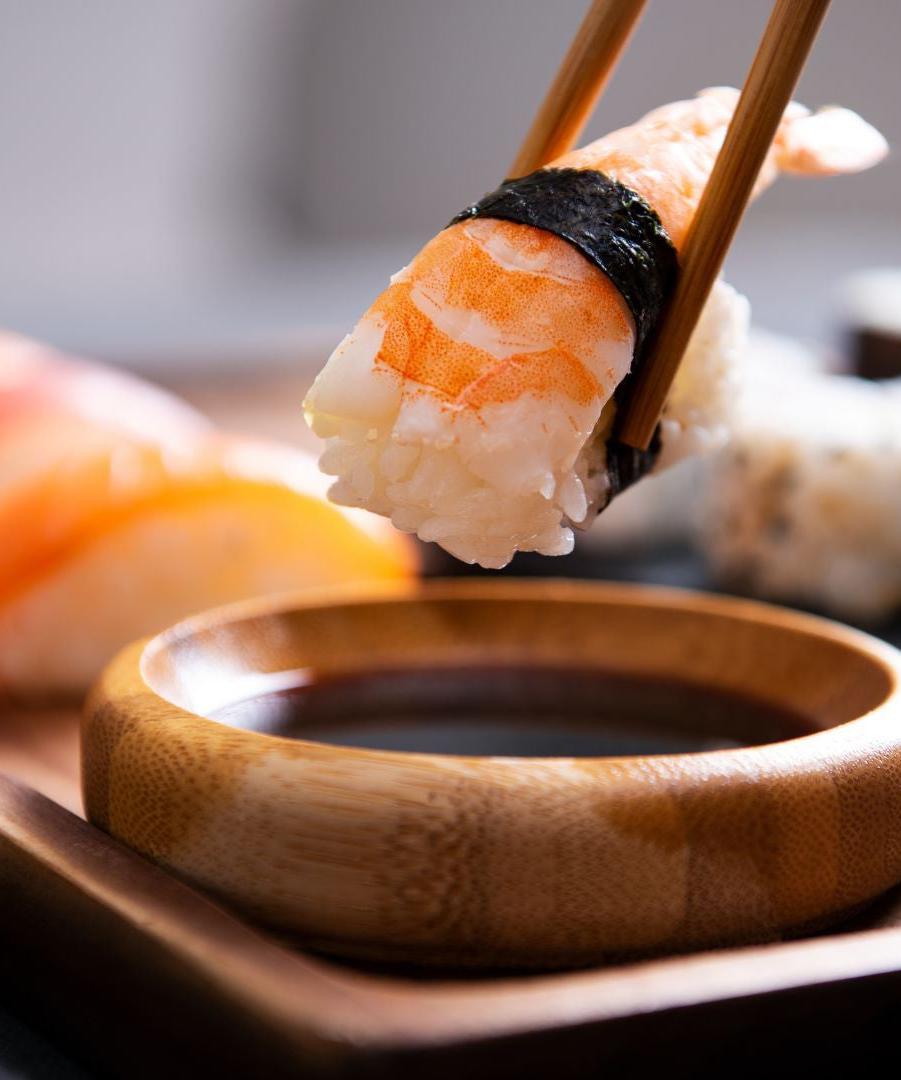
اترك رسالة
إذا كنت مهتمًا بمنتجاتنا وتريد معرفة المزيد من التفاصيل، فيرجى ترك رسالة هنا، وسنقوم بالرد عليك في أقرب وقت ممكن.
Choosing an OEM soy sauce supplier involves more than comparing wholesale prices. For food distributors, importers, supermarket chains, and private-label brands, the right manufacturing partner should deliver consistent flavor, reliable production quality, flexible packaging, and documentation that meets the requirements of the target market.
When sourcing light soy sauce, dark soy sauce, and organic soy sauce, buyers should evaluate each product separately. Light soy sauce is mainly used for seasoning and enhancing flavor, while dark soy sauce is valued for its deeper color and richer appearance in cooked dishes. Organic soy sauce requires additional attention to certified ingredients, production processes, and documentation.
A reliable OEM soy sauce manufacturer should demonstrate five essential capabilities: stable product quality, controlled fermentation processes, documented food safety management, flexible OEM customization, and experience with international export requirements.
Pearl River Bridge (PRB) is a Chinese soy sauce and seasoning manufacturer with decades of production experience. Its product range covers light, dark, and organic soy sauce, while its OEM services support customized formulations, packaging, and private-label requirements.
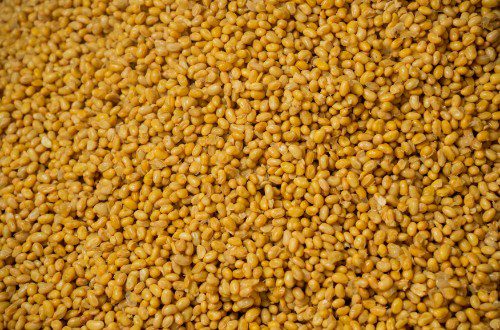
Before comparing manufacturers, buyers need to define exactly which soy sauce products they want to source. These three product categories serve different purposes, and their specifications should not be treated as interchangeable.
Light soy sauce is commonly used for seasoning, dipping, stir-frying, and marinating. Buyers should pay attention to its savory flavor, aroma, saltiness, color, and performance in different recipes. It is especially important to test whether the taste remains consistent when used in large-scale food preparation.
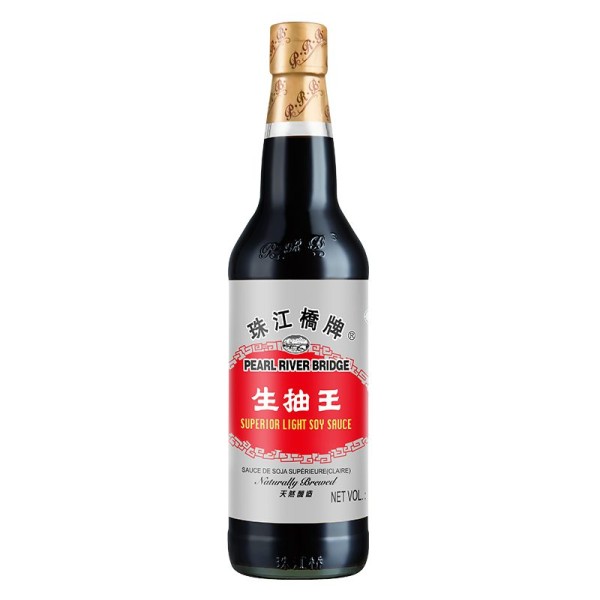
PRB's light soy sauce range includes Superior Light Soy Sauce and Golden Label Superior Light Soy Sauce. The product descriptions highlight their natural fermentation process, savory flavor, and suitability for dipping, stir-frying, and marinating. Buyers can explore the Light Soy Sauce product range when comparing available options.
Dark soy sauce is generally selected when a dish needs a deeper brown color and a fuller appearance. It is commonly used in braised dishes, marinades, rice, and noodle preparations. For commercial buyers, the key evaluation points include color consistency, flavor balance, viscosity, and performance during cooking.
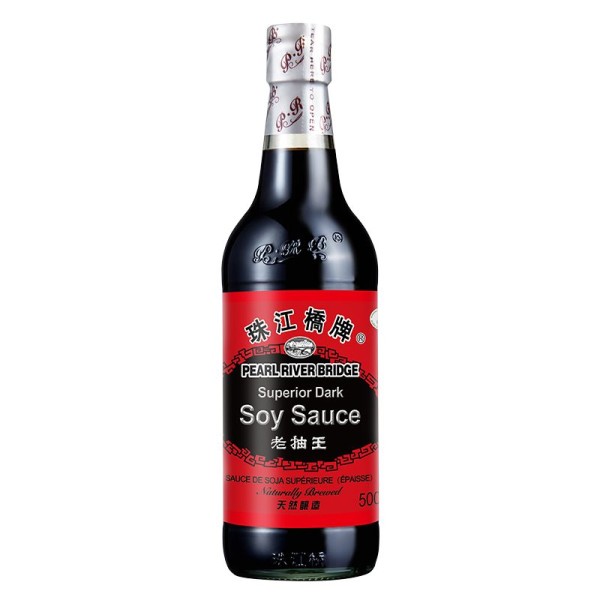
PRB's Superior Dark Soy Sauce features a dark brown color and is described as suitable for marinating and adding color to rice, noodles, and other dishes. Its Mushroom Flavoured Dark Soy Sauce provides another option for buyers looking for a distinctive mushroom aroma. More details are available in the Dark Soy Sauce collection.
Organic soy sauce requires a different purchasing approach. Organic certification relates to ingredient sourcing and production requirements rather than simply describing a particular flavor or color. Buyers should examine the organic status of the ingredients, the certification scope, and whether the documentation covers the actual product being purchased.
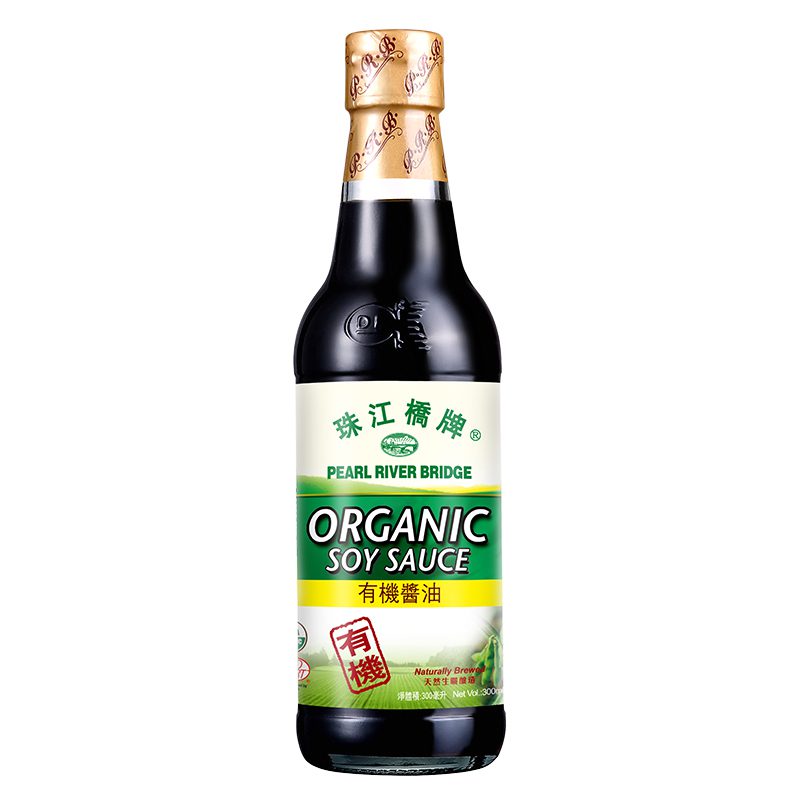
PRB's organic soy sauce product information identifies organic soybeans, organic wheat flour, and organic sugar as ingredients, and lists USDA Organic and EU Ecocert certification. Buyers should still request current certificate documents and verify their scope for the specific formula and production arrangement. Visit the Organic Soy Sauce product page for more product information.
| Product Type | Common Applications | Main Purchasing Considerations |
|---|---|---|
| Light Soy Sauce | Seasoning, dipping, stir-frying, and marinating | Savory flavor, saltiness, aroma, and consistency |
| Dark Soy Sauce | Braising, coloring, rice, noodles, and marinades | Color, viscosity, flavor balance, and cooking performance |
| Organic Soy Sauce | Retail products and organic-focused food ranges | Certified ingredients, valid certificates, and traceability |
Understanding these differences helps buyers communicate their requirements clearly and prevents problems caused by selecting a product based on price alone.
Fermentation plays an important role in the development of soy sauce flavor, aroma, and overall product characteristics. A reliable manufacturer should be able to explain how its raw materials are selected, how fermentation is managed, and how the finished product is monitored.
Traditional soy sauce production generally involves several stages, including soybean selection, steaming, koji cultivation, fermentation, pressing, refining, and bottling. Each stage can influence the final flavor profile and consistency.

For example, Pearl River Bridge describes a production process that includes carefully selected soybeans, automated steaming, koji cultivation, and moromi fermentation and aging. Its process information describes an approximately 100-day fermentation period before pressing and refining. Several of its product descriptions also highlight fermentation periods of more than 100 days.
When assessing an OEM supplier, buyers should ask questions such as:
These questions help buyers understand whether a supplier has a controlled manufacturing process rather than simply offering a finished product for resale. PRB's From Bean to Bottle production process provides further insight into its soy sauce manufacturing stages.
For imported food products, quality assurance needs to be supported by documented procedures. A good-tasting sample is a useful starting point, but it cannot demonstrate that every future production batch will meet the same standard.
A reliable OEM soy sauce manufacturer should have clear procedures for raw material inspection, production monitoring, finished-product testing, and batch traceability.

When reviewing a supplier's quality management system, pay attention to the following areas:
Pearl River Bridge describes a quality control system covering raw material selection, physical and chemical tests, microbiological indicators, contaminant inspection, and pathogenic bacteria testing. Its website also states that completed product batches are inspected by its Food Inspection and Research Center before entering the market.
For a purchasing decision, the most useful next step is to request the relevant quality documents for the actual product being quoted. This may include a product specification sheet, a recent Certificate of Analysis (COA), applicable food safety certificates, and information about batch identification and traceability.
More information about PRB's inspection procedures is available on its Quality Management page.
OEM buyers usually have requirements that go beyond selecting an existing soy sauce product. They may need a specific flavor profile, customized ingredient formula, different bottle sizes, private-label packaging, or market-specific label information.
A suitable supplier should be able to discuss these requirements before production begins and explain which customization options are available.
Important OEM capabilities include:

Packaging is particularly important when launching products under a new brand. A retail distributor may prefer 150ml, 300ml, or 500ml bottles, while a restaurant supplier or food processing customer may require larger containers. The appropriate format depends on distribution channels, storage conditions, transportation costs, and product usage.
PRB's website presents OEM solutions that include adaptable minimum order quantities, personalized formulation, flexible packaging, and labeling design support. It also offers a broader range of food seasonings, which can be useful for buyers interested in consolidating sourcing.
For project-specific requirements, review the Pearl River Bridge OEM Service information and confirm the MOQ, available packaging, customization scope, and production schedule for each product.
Organic soy sauce requires additional verification compared with conventional soy sauce. Buyers should not rely only on a product label or a supplier's general statement that its ingredients are organic.
Before placing an order, request the current organic certificate and check whether it covers the specific product, ingredient composition, manufacturing facility, and relevant supply chain. Certificate validity and applicable product scope should be confirmed rather than assumed.
For international sales, documentation and labeling requirements can also differ between countries. A product intended for the United States may need different label information from one intended for the European Union or another market.
Depending on the destination market and product claims, buyers should review:
It is also important to distinguish organic certification from other product claims. Organic soy sauce is not automatically gluten-free or low-sodium. For example, buyers should specifically check whether wheat is included in the formulation before making gluten-related claims.
PRB provides information about its ingredient selection and product development practices. Buyers can review its Safe Ingredients information when evaluating raw material management and ingredient requirements.
Sample evaluation is one of the most practical ways to compare OEM soy sauce suppliers. Different factories may use similar product names, but their flavor profiles, aromas, colors, and cooking performance can vary.
For a more meaningful comparison, buyers should prepare a consistent testing process rather than tasting each sample under different conditions.
For light soy sauce, evaluate saltiness, savory flavor, aroma, and performance in dipping or stir-frying. For dark soy sauce, pay particular attention to color development, viscosity, flavor balance, and the appearance of the finished dish. For organic soy sauce, evaluate both sensory quality and the supporting certification documents.
Before approving a sample, buyers should establish written acceptance criteria. These should cover the product formulation, ingredient list, sensory characteristics, physical and chemical specifications, packaging requirements, and applicable food safety standards.
Once the sample is approved, the same specifications should be referenced in the purchase agreement. Buyers can also request a production sample or batch testing documents to check whether the bulk shipment matches the approved product.
This process reduces misunderstandings and provides a clearer basis for managing long-term supply relationships.
For importers and private-label brands looking for a Chinese soy sauce supplier, Pearl River Bridge offers a product portfolio covering light soy sauce, dark soy sauce, organic soy sauce, and other seasoning products.
According to its corporate profile, PRB has more than six decades of production experience and supplies customers in more than 100 countries. This international experience is relevant to buyers who need to consider different product applications, packaging preferences, and export markets.
Its manufacturing information also describes a production process covering soybean selection, steaming, koji cultivation, fermentation, pressing, refining, and bottling. These details give buyers a clearer picture of how its soy sauce products are manufactured.
From an OEM perspective, PRB presents several services that are relevant to brand owners and distributors:
These capabilities make PRB worth considering when evaluating an OEM soy sauce manufacturing partner. However, the final selection should always be based on product samples, current technical documents, confirmed certifications, and a project-specific quotation.
Buyers interested in understanding the company's background can read the Pearl River Bridge corporate profile for more information about its production experience and international business.
Providing clear sourcing requirements helps manufacturers recommend suitable products and prepare more accurate quotations. Instead of asking only for the price of soy sauce, buyers should describe the intended product, packaging, market, and estimated order volume.
A useful OEM inquiry should include:
With these details, an OEM supplier can evaluate the project more accurately and identify potential issues before production starts.
For product inquiries, private-label development, or customized soy sauce requirements, buyers can contact Pearl River Bridge to discuss suitable product and packaging options.
What should I look for in a reliable OEM soy sauce supplier?
A reliable OEM soy sauce supplier should provide product samples, written specifications, traceable ingredient information, documented quality checks, relevant export documents, and clear terms for MOQ, packaging, lead time, and repeat orders.
Can one OEM supplier provide light, dark, and organic soy sauce?
Yes. A manufacturer may offer all three product types, but each product should have its own approved formula, sample, technical specification, and quality records. Organic claims also require valid documentation covering the specific product and its supply chain.
What is the difference between light soy sauce and dark soy sauce?
Light soy sauce is generally used for seasoning, dipping, stir-frying, and marinating. Dark soy sauce is commonly selected for its deeper color and fuller appearance in braised dishes, rice, noodles, and marinades. Their flavor and technical specifications should be evaluated separately.
Is organic soy sauce automatically gluten-free or low-sodium?
No. Organic certification does not automatically mean a product is gluten-free, low-sodium, or suitable for every dietary requirement. Buyers should check the ingredient list, allergen declaration, nutrition facts, and separate product claims documentation.
What documents should I request from an organic soy sauce manufacturer?
Request a current organic certificate, its certification scope and product listing, an ingredient statement, an allergen declaration, a product specification, and a recent Certificate of Analysis. Confirm that the documents cover the actual formula and manufacturing arrangement being purchased.
Does Pearl River Bridge offer OEM and private-label soy sauce services?
Yes. PRB describes OEM services covering flexible minimum order quantities, personalized formulation, packaging options, and label design support. Buyers should confirm the available packaging, MOQ, customization scope, production schedule, and relevant documents for their specific project.
How can buyers check soy sauce quality before placing a bulk order?
Approve a product sample, establish written acceptance specifications, and compare a production batch against the approved sample. Evaluate flavor, aroma, color, saltiness, viscosity, and packaging, and request relevant batch testing and traceability records.
 اشترك في نشرة الأخبار لدينا للبقاء على اتصال



 IPv6 الشبكة المدعومة
Hi! Click one of our members below to chat on

 كتب الوصفات
 PRB Soy Sauce Museum
 العربية
 English
 français
 русский
 español
 العربية