اترك رسالة
إذا كنت مهتمًا بمنتجاتنا وتريد معرفة المزيد من التفاصيل، فيرجى ترك رسالة هنا، وسنقوم بالرد عليك في أقرب وقت ممكن.
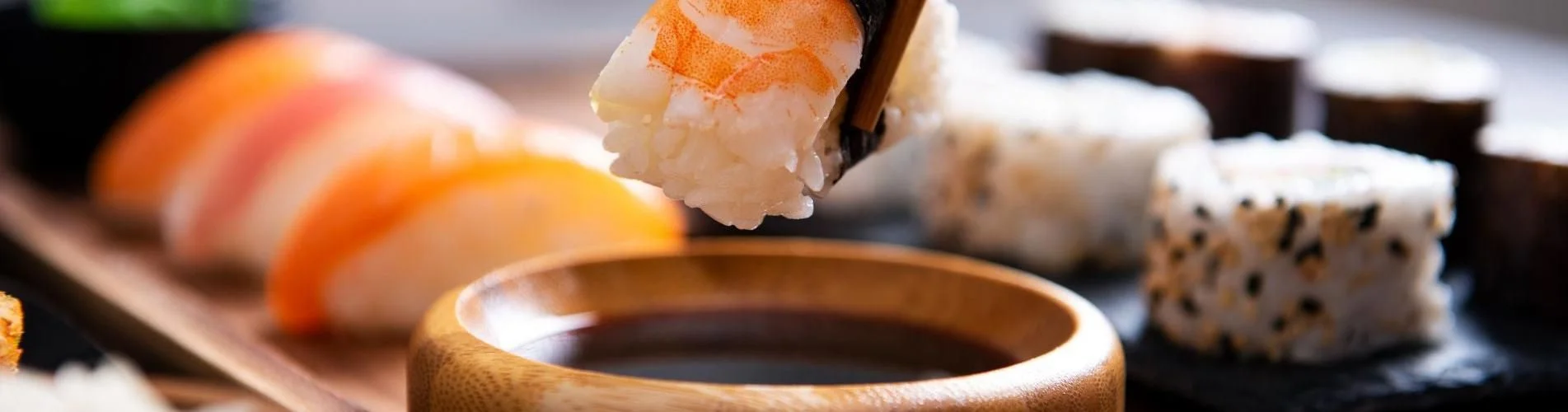
The stir-fry looks pale, the braise tastes flat, and the noodles feel one-note. Superior dark soy sauce fixes all three problems at once: blandness, weak color, and thin umami. A premium bottle ages longer, pours thicker, and carries mellower salt than standard soy sauce. This guide offers practical fixes for tonight's cooking, plus clear advice on when light soy sauce or a substitute fits better.
Add a small drizzle of dark soy sauce early in marinades and braises to build deep flavor from the inside out.
Use dark soy sauce near the end of cooking stir-fries and noodles to boost aroma and color without burning.
Choose dark soy sauce for rich color and depth, and light soy sauce for everyday seasoning with a clean salty finish.
A premium bottle earns its place in the pan through time. The beans ferment for more than 100 days, and that long aging builds a thicker body, a deeper color, and a rounder aroma. The salt tastes mellower too, so a cook can add more without pushing a dish over the edge.
Well-selected soybeans meet traditional starters, then age under Southern China's sunshine, water, and air. This naturally fermented dark soy sauce develops its character slowly, and the result shows in every drizzle.
The difference between light and dark soy sauce comes down to salt and body. Light soy sauce tastes saltier and pours thinner. Cooks reach for it during everyday seasoning, when they want salt with a clean finish. Dark soy sauce pours thick, carries less salt, and delivers color and depth. It suits braises, marinades, and glazes, where a rich flavor and a golden-brown finish matter most.
Knowing light and dark soy sauce side by side removes the guesswork. Light soy sauce seasons the base. Dark soy sauce builds the look and the backbone. A pantry stocked with both covers most cooking tasks, and each bottle does its own job well.
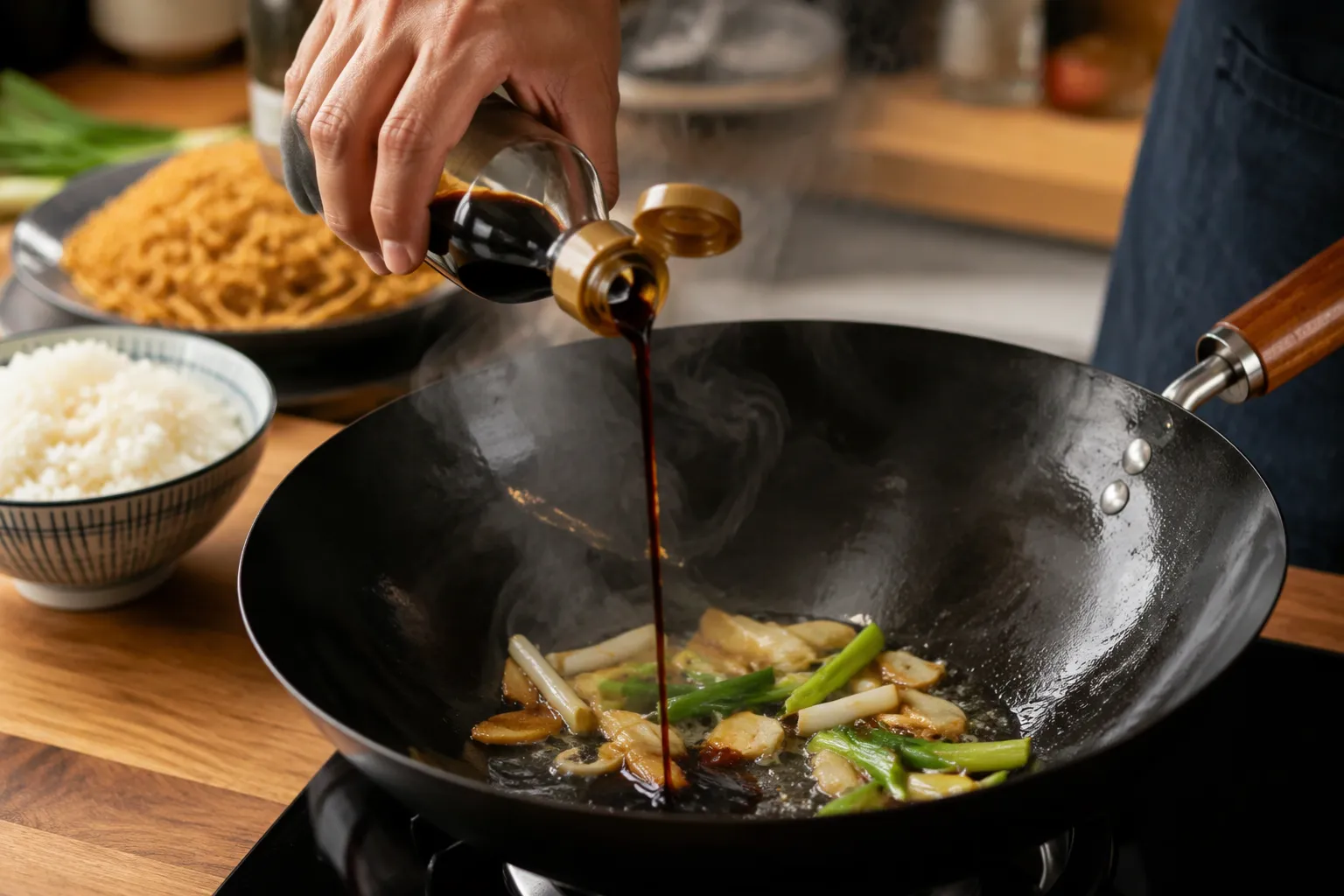
Timing decides how much a bottle gives to a dish. For marinades and braising meat, add a small drizzle early. The liquid then has time to penetrate the food and build a rich flavor from the inside out. For stir-fries and noodles, add it near the end of cooking. A late addition keeps the aroma bright and protects the rounder notes from the heat. Taste after each addition, then adjust. This habit alone solves most cases of bland food.
One caution applies to high heat. Burning soy sauce turns harsh and bitter within seconds. Add it to a cooler part of the wok, or pull the pan off the flame first.
Exact amounts depend on the dish, the portion, and the diner's palate. The following figures work as starting points, not rules:
Stir-fries: about 1 teaspoon per serving
Soups and braises: about 1 tablespoon per quart of liquid
Marinades: about 1 tablespoon per pound of protein
A cook can treat these numbers as a baseline, taste, and then nudge upward. Chinese Dark Soy Sauce for Cooking rewards small, repeated additions far more than one heavy pour.
Aromatics amplify the effect. Garlic, ginger, and scallion carry savory compounds of their own. Sizzle them first, then add the soy sauce. The combined aroma lifts the desired umami flavor without extra salt. This layering technique is the quiet secret behind fixing bland dishes in home kitchens.
The same logic explains why a drizzle of superior dark soy sauce does so much for a plain bowl of rice or a plate of noodles. It adds depth, a touch of sweetness, and a savory backbone all at once. A modest amount delivers a bold flavor that tastes built rather than borrowed. Cooks who master this balance rarely need anything else to boost flavor in everyday cooking.
Pale rice, noodles, rice sticks, stir-fries, and braises all share the same problem: they taste fine but look dull. A drizzle of dark soy sauce solves that in seconds. It coats each grain and strand with a deep brown color and a wonderful smell that makes the plate look restaurant-ready. A premium bottle brings a dark, rich color and flavor that plain seasoning cannot match.
Glazing works best over moderate heat. A teaspoon stirred into a hot wok with a little oil and a pinch of sugar clings to noodles and gives them a glossy finish.
Keep the pan below smoking point. Burning soy sauce turns harsh and bitter almost instantly.
Here is the quiet advantage of a good bottle. Dark soy sauce carries less salt than light soy sauce, so a cook can build color without over-seasoning. That balance makes it ideal for enhancing food color in marinades, where a heavy hand with salty seasoning would ruin the dish.
Try one quick marinade. Combine a tablespoon of superior dark soy sauce, grated ginger, and chopped scallion with chicken thighs, then rest them briefly before cooking. This simple Dark Soy Sauce for Meat Marinade deepens the surface and helps the meat pick up a deep brown color as it sears. A small amount adds depth and a bold flavor without pushing the salt level too high. The umami arrives from the aged beans, not from extra sodium, and the finished plate looks as good as it tastes.
Humble dishes respond well to a small amount of dark soy sauce. A few drops transform plain fried rice into a savory plate with a rich flavor. Scrambled eggs gain a subtle brown tint and a deeper taste. Noodle soups and rice sticks pick up a bold flavor that tastes built rather than borrowed. The cook needs no extra ingredients and no extra time.
The technique stays simple. Add a small drizzle near the end of cooking for fried rice and noodles. For eggs, a few drops in the beaten mixture before cooking adds depth without overwhelming the dish. This approach delivers richness and depth of flavor with minimal effort. A modest amount goes a long way, and the results taste consistent every time.
Imbalance happens in every kitchen. A dish tastes too salty, and the cook reaches for more soy sauce. That move makes the problem worse. The better fix involves dilution or unsalted components. Add more rice, noodles, or vegetables to spread the salt across a larger portion. A squeeze of acid or a pinch of sugar can also restore balance.
A dish that tastes too sweet needs a different touch. A small amount of dark soy sauce rounds out the sweetness and adds a savory note. Flat dishes often suffer from too little soy sauce or from using too much or too little soy sauce without tasting along the way. The cook should taste after each addition and adjust gradually. One warning applies here: burning soy sauce turns harsh and bitter, so add it off the heat when possible. This habit prevents the most common cooking mistake and keeps the flavor clean.
A cook who grabs the wrong soy sauce for the dish notices the result quickly. The table below maps each option to its best-fit use. No option is inferior; each one simply suits different tasks.
|
Option |
Best-Fit Use |
|---|---|
|
Light soy sauce |
Everyday seasoning, dipping, dishes that need salt with a clean finish |
|
Dark soy sauce |
Braises, marinades, glazes, color and depth |
|
Regular soy sauce |
All-purpose stand-in when only one bottle is on hand |
|
Tamari |
Seasoning for cooks avoiding wheat |
|
Mushroom-based seasoning |
Savory depth in vegetarian cooking |
Regular soy sauce can stand in for dark soy sauce in a pinch. It will give less color, so the cook should adjust the quantity and add a touch of sweetness for depth. Tamari and mushroom-based seasoning each bring their own character. A pantry that holds several different types of soy sauce gives the cook room to match the bottle to the task.
Buying the right size matters as much as choosing the correct one for the dish. Superior dark soy sauce comes in 500ml and 600ml bottles for regular home cooking, 150ml for occasional users, 5ml sachets for sampling or travel, and 8L for professional kitchens. A household that cooks stir-fries twice a week will finish a 500ml bottle well before it fades. Too little soy sauce in the pantry leads to rushed substitutions; too much leads to waste.
Store the bottle in a cool, dark place away from the stove. Heat and light dull the aroma over time. After opening, check the label for the maker's guidance and note the date. A sealed bottle keeps far longer than an open one, so the 150ml size suits a cook who uses dark soy sauce only for braises.
Balance matters more than bottle count. A dish that tastes flat often needs a small addition, not a flood. The cook who tastes after each drizzle learns where each bottle fits, and that habit prevents most seasoning errors before they reach the plate.
Superior dark soy sauce solves the four common problems: flat flavor, pale color, thin umami, and unbalanced seasoning. One well-chosen bottle replaces guesswork with consistent results. A cook can start tonight with a single dish and adjust amounts to taste. Keep this dark soy sauce in the pantry for everyday cooking.
A cool, dark cupboard slows the decline of aroma. The label carries the maker's guidance. Small sizes suit occasional cooks, and large sizes suit professional kitchens.
It can, with adjustments. This bottle carries mellower salt and a thicker pour. A cook should reduce the amount and expect deeper color in the finished plate.
Braises, marinades, glazes, fried rice, and noodles gain the most. A small drizzle near the end of cooking lifts flavor and adds depth without extra salt.
 اشترك في نشرة الأخبار لدينا للبقاء على اتصال



 IPv6 الشبكة المدعومة
Hi! Click one of our members below to chat on

 كتب الوصفات
 PRB Soy Sauce Museum
 العربية
 English
 français
 русский
 español
 العربية