اترك رسالة
إذا كنت مهتمًا بمنتجاتنا وتريد معرفة المزيد من التفاصيل، فيرجى ترك رسالة هنا، وسنقوم بالرد عليك في أقرب وقت ممكن.
لطالما كان صوت تقطير صلصة الصويا السائلة نبض المطابخ الآسيوية على مرّ القرون. فمن أنواعها الداكنة واللزجة في جنوب الصين إلى أنواعها الأخف والأكثر ملوحة في اليابان، يُعدّ هذا الذهب السائل المخمّر عنصراً أساسياً في فن الطهي العالمي. ومع ذلك، ومع تقدّم تكنولوجيا الغذاء وتزايد متطلبات الخدمات اللوجستية العالمية وإنتاج الغذاء الصناعي، ظهر لاعب جديد: صلصة الصويا المتجمدة.
رغم أن الأمر قد يبدو كتجربة مطبخية عصرية، إلا أن هذا الابتكار يُعد حلاً عملياً لتحديات الطهي القديمة. إذا كنتَ مُصنِّع أغذية أو من هواة الطهي الذين يسعون إلى تبسيط مخزن المؤن لديك، فإن فهم عروض الخبراء يُعد أمراً بالغ الأهمية. مصنع صلصة الصويا المتصلبة يمكن أن يغير ذلك نظرتك إلى التوابل تماماً.
في جوهرها، تُعدّ صلصة الصويا المُصلّبة خلاصة صلصة الصويا التقليدية بعد إزالة محتواها المائي. إنها ليست مجرد صلصة "مجففة"، بل هي مُركّز مُعالَج بعناية - غالباً ما يظهر على شكل معجون كثيف، أو كتلة تشبه مرق اللحم، أو مسحوق حبيبي - يحتفظ بنكهة أومامي المعقدة لفول الصويا المُخمّر.
تبدأ عملية الإنتاج عادةً بصلصة الصويا السائلة عالية الجودة، والتي تخضع لعملية تركيز بالتفريغ أو التجفيف بالرش. هذا يزيل الرطوبة مع الحفاظ على الأحماض الأمينية والأحماض العضوية والسكريات التي تمنح صلصة الصويا "مذاقها الخامس" المميز.
بالنسبة للطاهي المنزلي العادي، قد يبدو الفرق مادياً بحتاً. لكن بالنسبة للتطبيقات الصناعية والطهي الدقيق، فإن الفروقات جوهرية.
| ميزة | صلصة الصويا السائلة | صلصة الصويا المتصلبة |
| محتوى الرطوبة | مرتفع (عادةً 60-70%) | الحد الأدنى أو لا شيء |
| شدة أومامي | متوازن للاستخدام الفوري | مركز للغاية |
| التخزين والخدمات اللوجستية | ثقيل، وعرضة للتسرب | خفيف الوزن، موفر للمساحة |
| مدة الصلاحية | جيد، لكنه قد يتأكسد | ممتاز، مستقر للغاية |
| طلب | التغميس، والتشطيب، والتتبيلات | التوابل الصناعية، والبهارات، والخلطات الجافة |
الفرق الأكثر وضوحًا هو "النكهة القوية". نظرًا لأن صلصة الصويا السائلة تتكون في الغالب من الماء، فغالبًا ما تحتاج إلى كميات كبيرة لتحقيق نكهة عميقة. صلصة الصويا المركزة يُوفر نسبة نكهة أعلى بكثير لكل غرام. وهذا مفيد بشكل خاص في صناعة الأغذية، حيث أن إضافة رطوبة زائدة قد تُفسد قوام المنتج، كما هو الحال في صناعة أغلفة الوجبات الخفيفة أو خلطات التوابل الجافة للحوم المصنعة.
صلصة الصويا السائلة منتج حيوي. بمجرد فتح الزجاجة، قد يؤدي تعرضها للأكسجين إلى تدهور رائحتها تدريجيًا وتغير لونها. أما الصلصات المتجمدة فهي أكثر مقاومة للأكسدة. ولأن نشاط الماء فيها منخفض جدًا، فإن خطر التلف الميكروبي يكاد يكون معدومًا، مما يجعلها مثالية للتخزين طويل الأمد والشحن الدولي.
صلصة الصويا السائلة هي ملكة القلي السريع والتغميس. سيولتها تسمح لها بتغطية النودلز وتغلغلها في اللحوم بسرعة. مع ذلك، فهي غير مناسبة للاستخدامات الجافة. هل جربتَ من قبل تحضير فشار بنكهة الصويا أو تغطية مقرمشة للدجاج المقلي باستخدام صلصة سائلة؟ عادةً ما تكون النتيجة طرية جدًا. صلصة الصويا المتجمدة تحل هذه المشكلة، إذ تُضفي نكهة التخمير دون فوضى الصلصة السائلة.
بالنسبة لصناعة الأغذية واسعة النطاق، لا يقتصر التحول نحو المنتجات الصلبة أو المركزة على تحسين المذاق فحسب، بل يتعلق أيضاً بالربحية. فشحن السوائل يعني دفع تكاليف نقل المياه. وباستخدام المنتجات الصلبة، تستطيع الشركات تقليل انبعاثاتها الكربونية من خلال شحن حمولات أخف واستخدام كميات أقل من مواد التغليف.
علاوة على ذلك، في خطوط الإنتاج عالية السرعة، يسهل التحكم في الدقة باستخدام المواد الصلبة. فقياس المسحوق أو القالب المعياري يقلل من تناثر المكونات ويضمن أن يكون مذاق كل دفعة من لحم البقر المجفف أو توابل النودلز سريعة التحضير متطابقًا تمامًا.
إذا كنت تنتقل من الحالة السائلة إلى الحالة الصلبة، فإن المفتاح هو إعادة الترطيب والنسبة.
لتحضير الصلصات: يمكنك إذابة المركز الصلب في الماء الدافئ للحصول على صلصة سائلة. يكمن جمال هذه الطريقة في إمكانية التحكم بدرجة اللون، حيث يمكنك تحضير صلصة داكنة اللون باستخدام كمية أقل من الماء.
كتوابل جافة: اطحن الصلصة المتجمدة واخلطها مع مسحوق الثوم والزنجبيل والسكر. تُكوّن هذه التوابل قشرةً على اللحوم المشوية لا يمكن للصلصة السائلة أن تُحققها.
في مجال الخبز: يستخدم بعض طهاة المعجنات التجريبيين كميات ضئيلة من مسحوق الصويا في حلويات الشوكولاتة لتعزيز النكهات الترابية للكاكاو دون تغيير مستويات ترطيب العجين.
مع توجهنا نحو نظام غذائي أكثر استدامة وكفاءة، سيزداد الطلب على المكونات المجففة والمركزة. وسواء كان ذلك لتوفير المساحة في المطابخ الحضرية، أو لخفض تكاليف الشحن في التجارة العالمية، أو لابتكار قوامات جديدة في صناعة الوجبات الخفيفة، فإن التحول نحو المكونات الصلبة يُعد خطوة منطقية في تطور التوابل التقليدية.
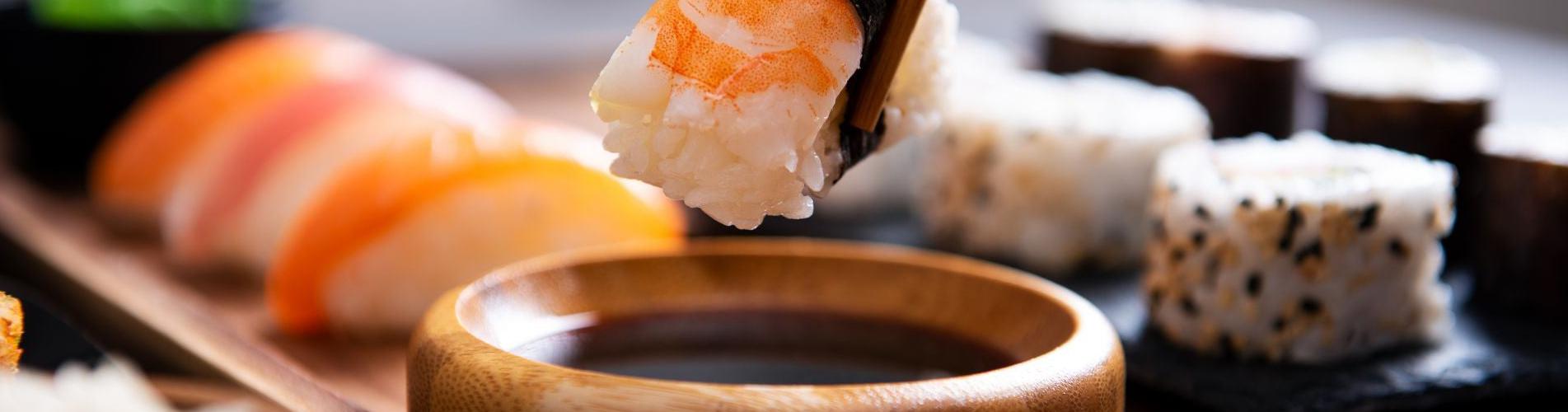
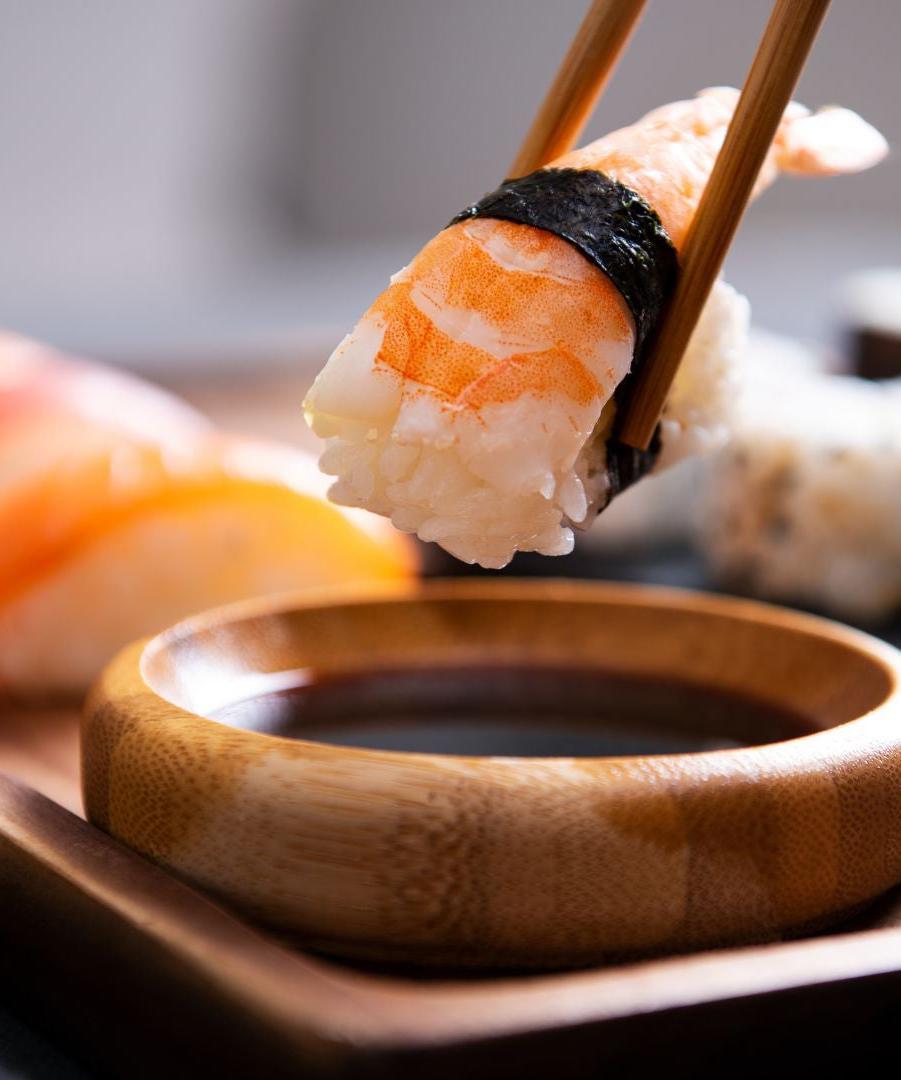
بينما ستظل زجاجة صلصة الصويا السائلة الكلاسيكية موجودة دائمًا على مائدة العشاء لتغميس السوشي أو لتزيين طبق الأرز، صلصة الصويا المتصلبة يمثل هذا المنتج مستقبل المكونات الوظيفي. فهو يجسد روح التخمير التقليدي ويقدمها للعالم الحديث سريع الخطى.
سواء كنت طاهياً محترفاً تبحث عن "مكون سري" أو مصنعاً يتطلع إلى تحسين خط إنتاجه، فقد حان الوقت للنظر إلى ما هو أبعد من الزجاجة واستكشاف إمكانات الكتلة.
 اشترك في نشرة الأخبار لدينا للبقاء على اتصال



 IPv6 الشبكة المدعومة
Hi! Click one of our members below to chat on

 كتب الوصفات
 PRB Soy Sauce Museum
 العربية
 English
 français
 русский
 español
 العربية